Electrical Panel Upgrades Done Right
An electrical panel upgrade replaces an undersized, aging, or fuse-based panel with a modern breaker panel sized for your home's load — more circuits, safer protection, room for additions like EV chargers. It's permit-and-inspection work. VoltEdge Electric is a free referral service that connects you with an independent local electrician — you work directly with the electrician you choose.
- Connected with an independent local pro — never a call center queue.
- The process explained up front, before anyone opens the panel.
- Serving all 50 states.
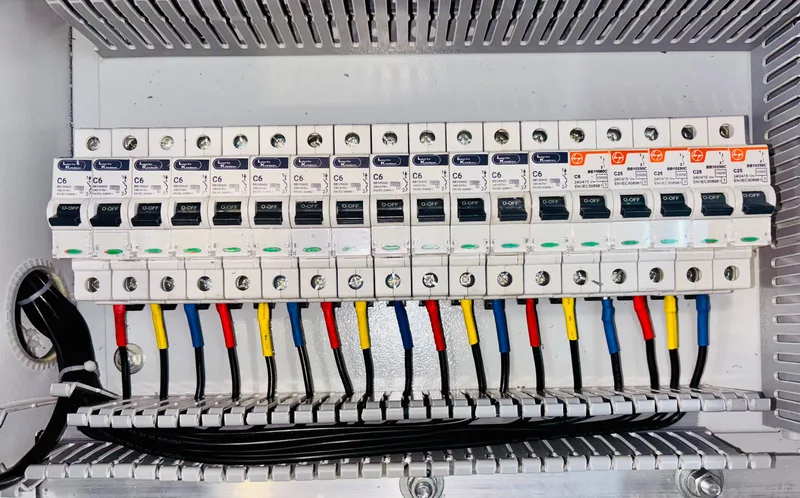
Your electrical panel is the heart of your home's wiring — every circuit runs through it. Panels installed decades ago were sized for a different era: fewer appliances, no home offices, no EV chargers. When the panel runs out of capacity, the symptoms show up as breakers that trip constantly, double-tapped breakers, or extension cords doing jobs that deserve dedicated circuits.
An upgrade swaps the old panel for a modern breaker panel with the right amperage and enough spaces for today's loads plus tomorrow's additions. It's not a cosmetic job: the meter, service entrance, grounding, and labeling all get evaluated, and the work is permitted and inspected.
VoltEdge Electric is a free referral service — we don't do electrical work ourselves. Tell us what's happening with your panel and we'll connect you with up to three independent local electricians. VoltEdge Electric connects you with an independent local electrician — you work directly with the electrician you choose.
- Typical first step
- Cut power to the affected area if it's safe to reach the breaker, then document what you see, smell, or hear.
- Emergency capable
- Yes — call any time you see sparking, smoke, or smell burning.
Warning signs
Signs you need this service
- Breakers that trip regularly when normal appliances run together.
- A fuse box instead of breakers — or a panel with no open spaces left.
- Double-tapped breakers (two wires under one breaker) or tandem breakers crammed in.
- Flickering or dimming lights when a large appliance kicks on.
- Scorch marks, rust, or a burning smell around the panel.
- Planning an EV charger, hot tub, or addition the current panel can't support.
What happens
The process, step by step
Load assessment: the electrician evaluates your current panel, service size, and what your home actually needs now and soon.
Permits and planning: the upgrade scope is set — amperage, panel location, and any meter or service-entrance work.
Replacement day: power is shut off, the old panel comes out, the new panel, breakers, and grounding go in.
Inspection and labeling: the work is inspected per local requirements and every circuit is labeled before power is restored.
Cost factors
What influences the cost
Every job is different, so we won't quote prices sight unseen. These are the factors a pro will weigh when pricing your job:
- Amperage change — for example, moving from 100-amp to 200-amp service.
- Whether the meter, service mast, or grounding also needs work.
- Panel location — an accessible garage wall versus a cramped closet.
- Condition of existing wiring that ties into the new panel.
- Permits and inspections required by your local authority.
DIY guidance
What you can do — and when to stop
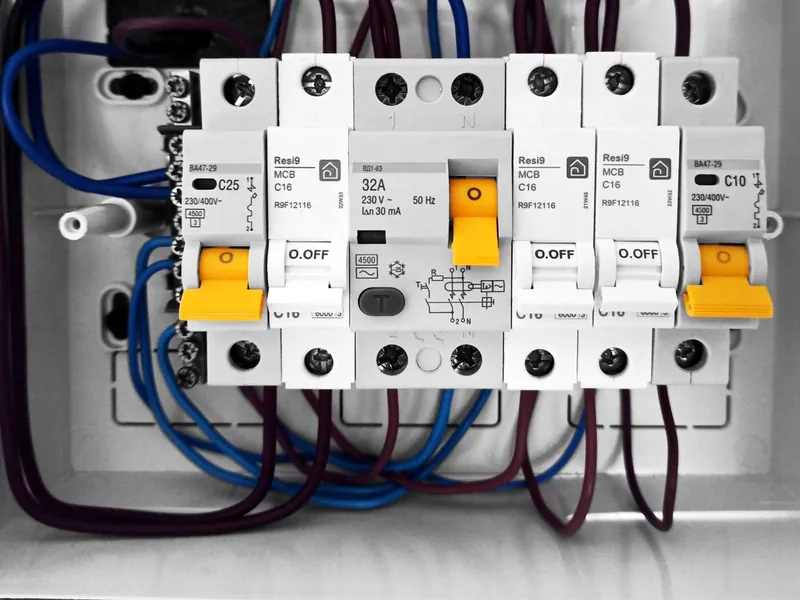
Safe to do yourself
- List which breakers trip and what was running when they did.
- Take a clear photo of your panel's label directory for the electrician.
- Clear storage away from the panel so it's accessible on work day.
- Note any planned additions — EV charger, workshop, remodel — that need capacity.
Stop and call a pro
- Opening the panel cover or touching breakers and bus bars yourself.
- Adding breakers to a full panel or double-tapping to 'make room.'
- Replacing fuses with higher-amperage ones — a classic fire cause.
- Ignoring scorch marks, rust, or buzzing from the panel.
Frequently asked questions
Serving towns nationwide
Related services
Helpful guides
Electrical problem? Don't wait on it.
Tell us what's happening and we'll connect you with an independent local electrician who fits the job.