Electrical Safety Inspections
An electrical safety inspection is a point-by-point check of your panel, wiring, outlets, grounding, and smoke/CO alarms — finding hazards like double-tapped breakers, aluminum wiring issues, or missing GFCIs before they cause harm. VoltEdge Electric is a free referral service that connects you with an independent local electrician — you work directly with the electrician you choose.
- Connected with an independent local pro — never a call center queue.
- The process explained up front, before anyone opens the panel.
- Serving all 50 states.
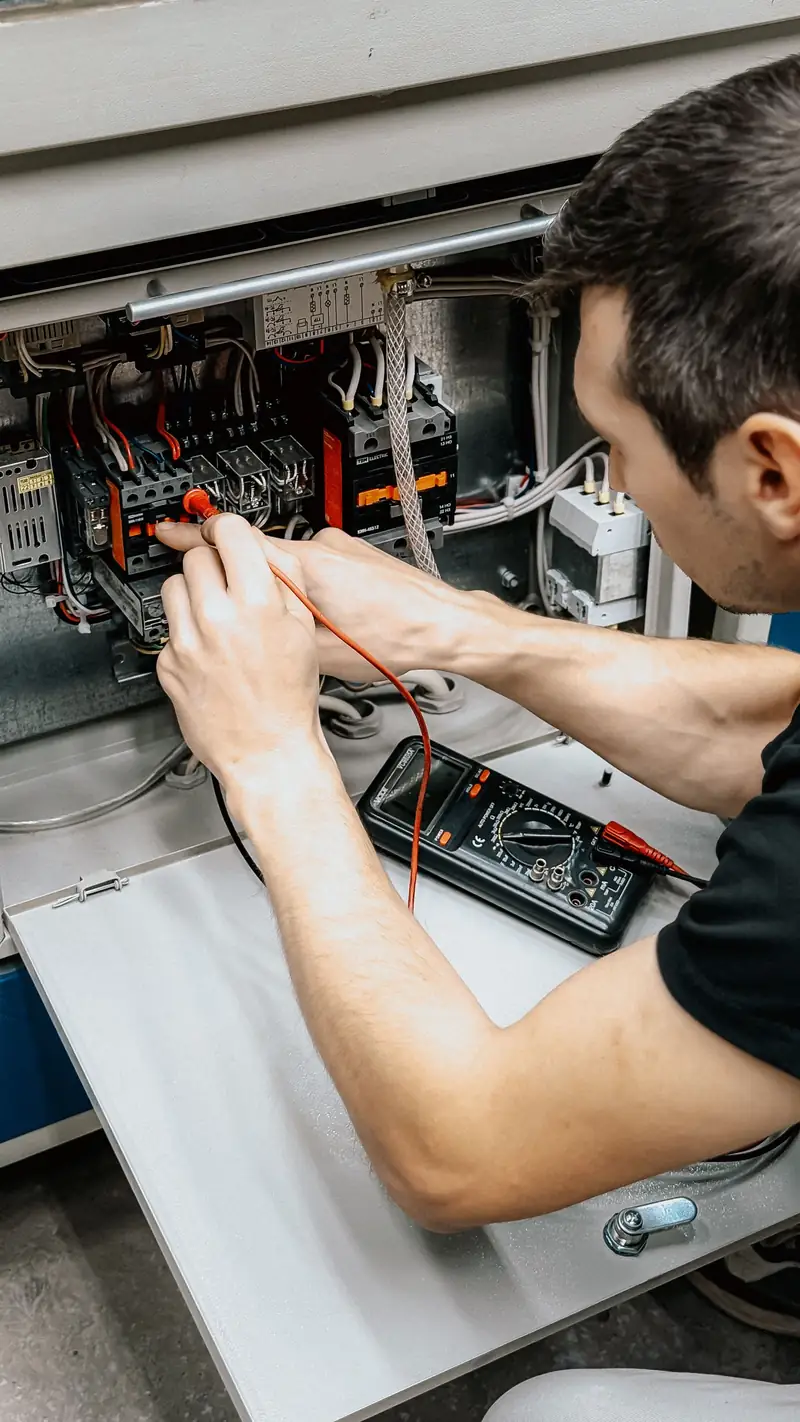
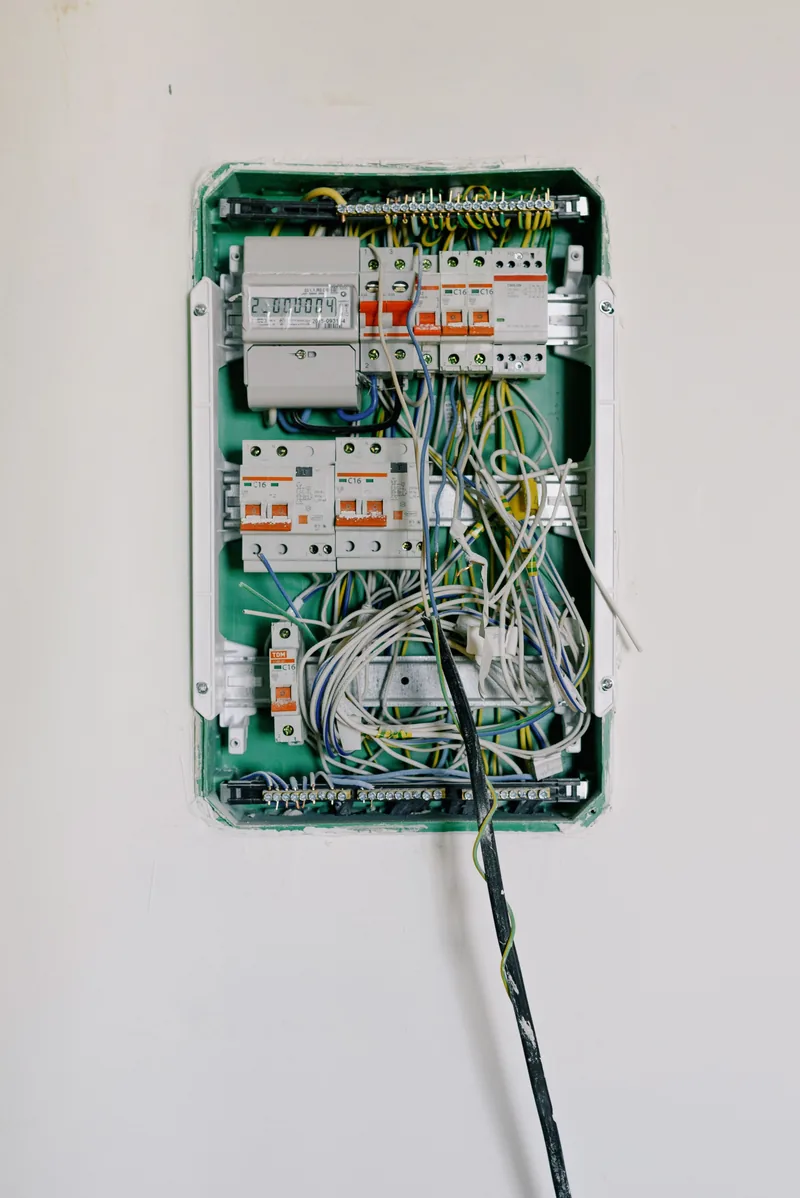
Most electrical hazards don't announce themselves. A double-tapped breaker, an ungrounded three-prong outlet, aluminum branch wiring with failing connections — these sit quietly inside walls and panels for years. An inspection finds them before a failure does, which is the entire point: electricity gives few second chances.
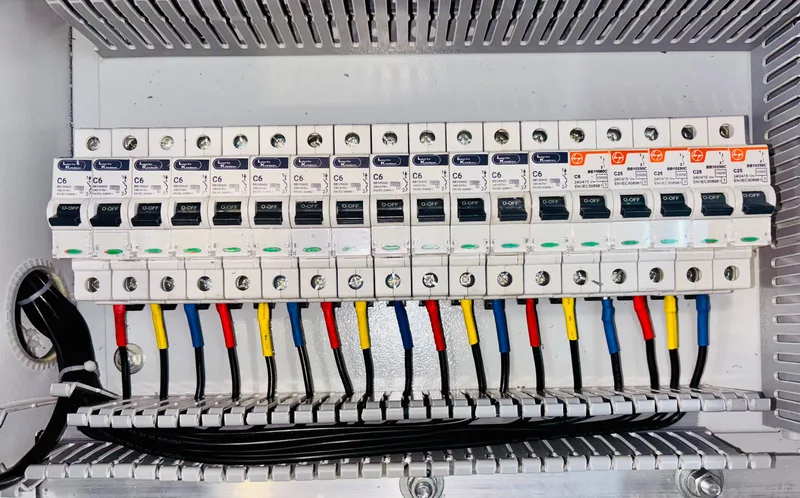
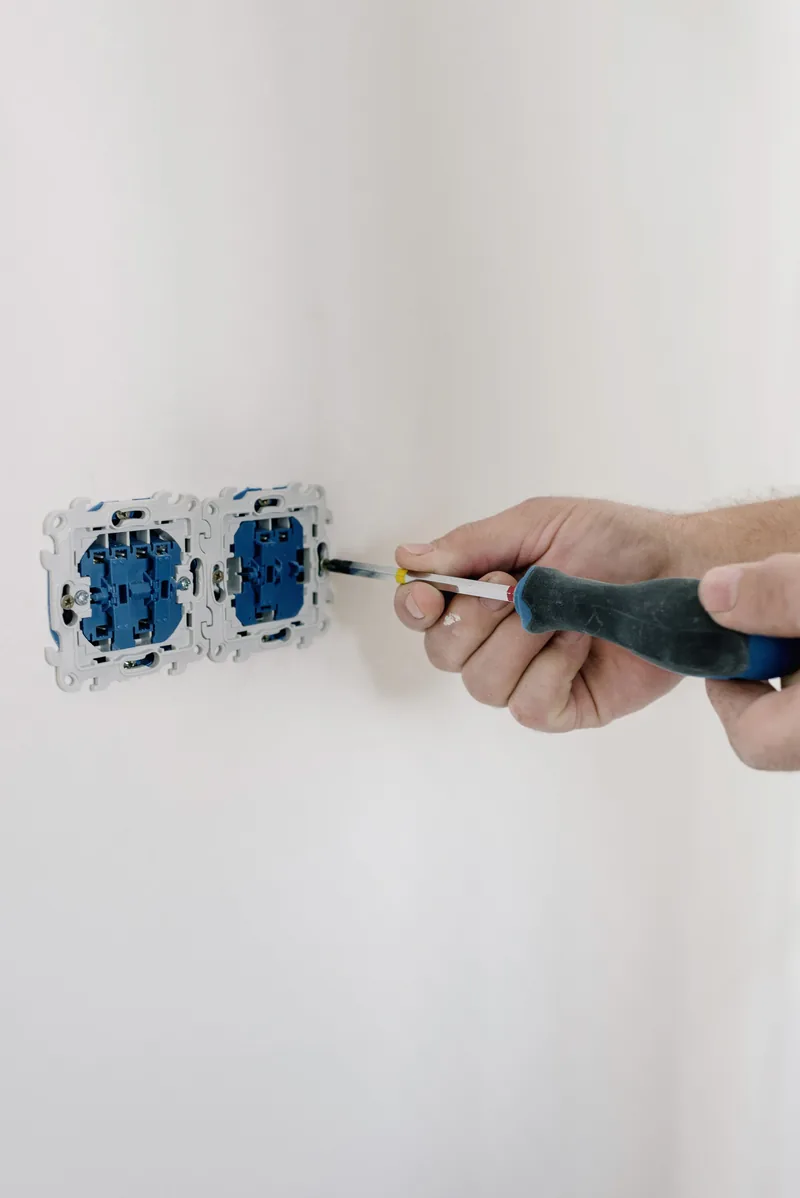
A proper safety inspection is systematic. The panel gets opened and evaluated — breaker sizing, wire condition, grounding. Outlets and switches are tested for correct wiring and protection. Smoke and CO alarms are checked. What you get is a prioritized list: what's dangerous now, what should be fixed soon, and what's fine.
VoltEdge Electric is a free referral service — we don't perform inspections ourselves. Tell us about your home and we'll connect you with up to three independent local electricians. VoltEdge Electric connects you with an independent local electrician — you work directly with the electrician you choose.
- Typical first step
- Cut power to the affected area if it's safe to reach the breaker, then document what you see, smell, or hear.
- Emergency capable
- For active emergencies, call and we'll route you immediately.
Warning signs
Signs you need this service
- Buying or selling a home — especially one more than a few decades old.
- Frequent breaker trips or fuses with no clear cause.
- Two-prong outlets, no GFCI protection in kitchens and baths, or missing smoke alarms.
- Aluminum branch wiring or knob-and-tube remnants from an older era.
- After flooding, a lightning strike, or any event that stressed the system.
What happens
The process, step by step
Panel review: the panel is opened and breakers, wiring, labeling, and grounding are evaluated.
Device and circuit checks: outlets and switches are tested for correct wiring and GFCI/AFCI protection.
Grounding and alarms: the grounding system, smoke alarms, and CO alarms are verified.
Written findings: you get a prioritized report — immediate hazards, recommended fixes, and what's in good shape.
Cost factors
What influences the cost
Every job is different, so we won't quote prices sight unseen. These are the factors a pro will weigh when pricing your job:
- Home size and age — older and larger homes take longer to inspect thoroughly.
- Number of panels or subpanels in the home.
- Accessibility of the panel, attic, and crawl spaces.
- Level of report detail — a verbal walkthrough versus a written report.
- Any follow-up repairs found — those are quoted separately.
DIY guidance
What you can do — and when to stop
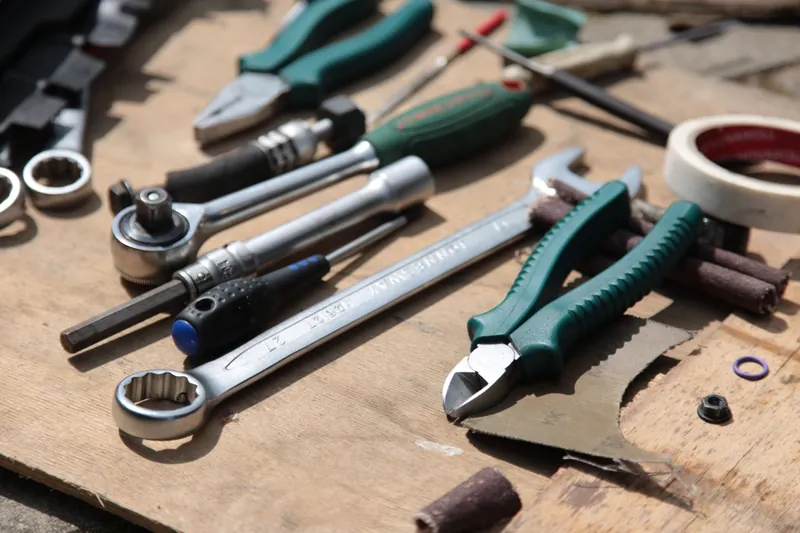
Safe to do yourself
- Write down every electrical concern you've noticed, however small.
- Make sure the panel and attic/crawl access are clear before the visit.
- Test your smoke and CO alarms and note any that don't respond.
- Know your home's approximate age and any past electrical work.
Stop and call a pro
- Opening the panel yourself before the electrician arrives.
- Hiding known issues — the inspection only helps if it's honest.
- Attempting fixes mid-inspection instead of letting the findings come first.
- Skipping the inspection because 'everything works' — hazards rarely announce themselves.
Frequently asked questions
Serving towns nationwide
Related services
Helpful guides
Electrical problem? Don't wait on it.
Tell us what's happening and we'll connect you with an independent local electrician who fits the job.