Whole-Home Surge Protection
Whole-home surge protection installs a surge protective device at your electrical panel, clamping voltage spikes from lightning, grid switching, and large appliances before they reach your electronics. It complements — not replaces — point-of-use strips. VoltEdge Electric is a free referral service that connects you with an independent local electrician — you work directly with the electrician you choose.
- Connected with an independent local pro — never a call center queue.
- The process explained up front, before anyone opens the panel.
- Serving all 50 states.
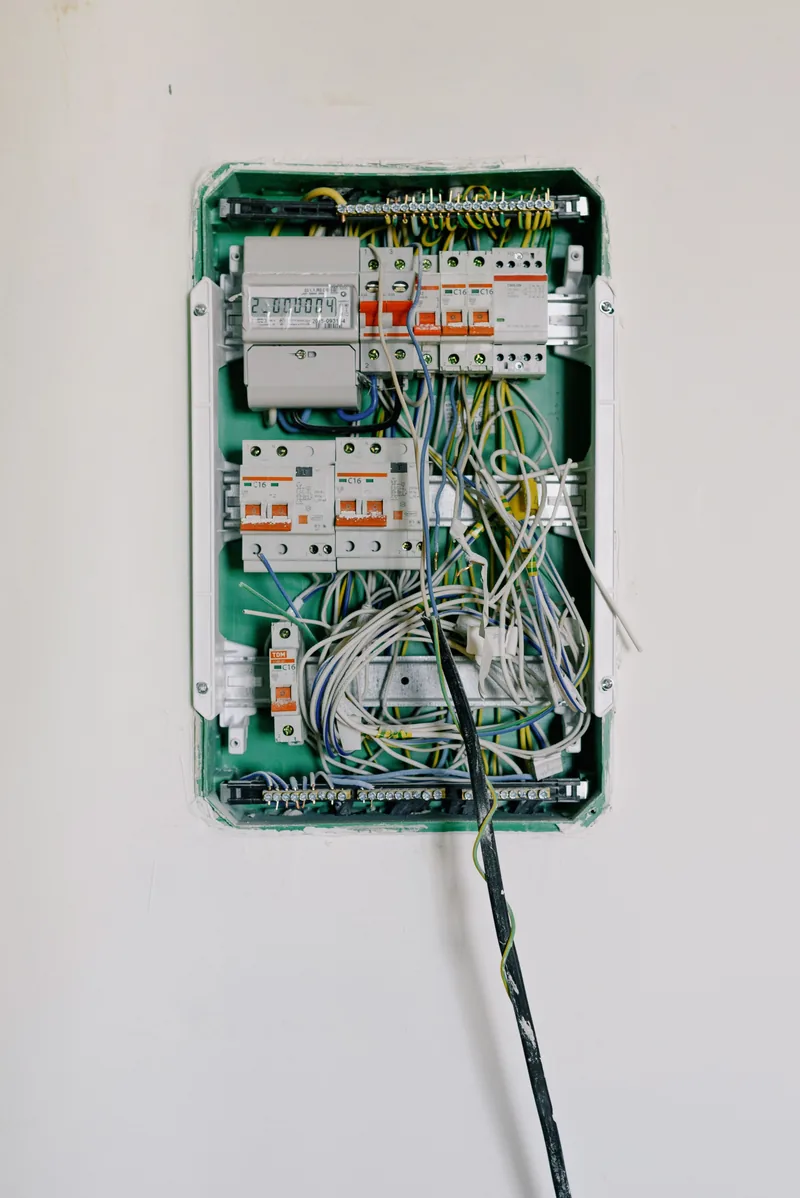
Your home's electronics live at the mercy of the power grid. Lightning strikes, utility switching, and even large appliances cycling on and off send voltage spikes through your wiring — and a single strong surge can kill a refrigerator's control board, a garage door opener, or every smart device in the house at once.
A whole-home surge protective device (SPD) mounts at your electrical panel and clamps those spikes before they travel through your branch circuits. It's the first layer of defense — point-of-use strips at sensitive equipment remain the second. Neither layer replaces the other; they work as a system.
VoltEdge Electric is a free referral service — we don't install surge protectors ourselves. Tell us about your panel and we'll connect you with up to three independent local electricians. VoltEdge Electric connects you with an independent local electrician — you work directly with the electrician you choose.
- Typical first step
- Cut power to the affected area if it's safe to reach the breaker, then document what you see, smell, or hear.
- Emergency capable
- For active emergencies, call and we'll route you immediately.
Warning signs
Signs you need this service
- Lights that flicker or dim when large appliances cycle on.
- Electronics damaged or behaving strangely after storms.
- An older panel with no surge protective device installed.
- Expensive built-in electronics — smart panels, home theater, home office gear.
- Frequent brief outages or utility switching in your area.
What happens
The process, step by step
Panel assessment: the electrician checks panel type, available spaces, and grounding.
Device selection: an SPD rated for your service size and panel is chosen.
Installation: the device is mounted at the panel and wired to clamp surges on the service conductors.
Testing and layering: operation is verified and you're advised on point-of-use protection for sensitive gear.
Cost factors
What influences the cost
Every job is different, so we won't quote prices sight unseen. These are the factors a pro will weigh when pricing your job:
- Panel type and whether spaces are available for the device.
- The protection rating of the SPD selected.
- Condition of the panel and grounding system it ties into.
- Whether sensitive equipment needs additional point-of-use protection.
- Permits required by your local authority.
DIY guidance
What you can do — and when to stop
Safe to do yourself
- Unplug sensitive electronics during severe storms.
- Use quality point-of-use surge strips as a second layer.
- Note any past surge damage — it helps size the protection.
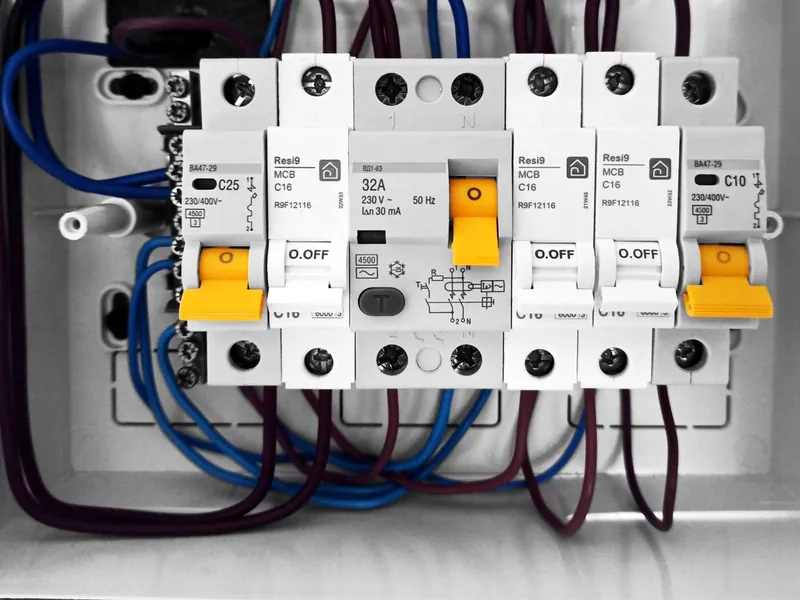
- Check whether your panel has open spaces for an SPD.
Stop and call a pro
- Opening the panel to install an SPD yourself — it's live-bus work.
- Relying only on power strips and assuming the panel is covered.
- Ignoring grounding problems — surge protection depends on a good ground.
- Assuming a past surge means the panel device 'handled it' without inspection.
Frequently asked questions
Serving towns nationwide
Related services
Helpful guides
Electrical problem? Don't wait on it.
Tell us what's happening and we'll connect you with an independent local electrician who fits the job.