Home EV Charger Installation
A Level 2 EV charger needs a dedicated 240-volt circuit sized for the charger's amperage — plus a panel with spare capacity. An electrician evaluates your panel, runs the circuit, and installs the charger to code. VoltEdge Electric is a free referral service that connects you with an independent local electrician — you work directly with the electrician you choose.
- Connected with an independent local pro — never a call center queue.
- The process explained up front, before anyone opens the panel.
- Serving all 50 states.
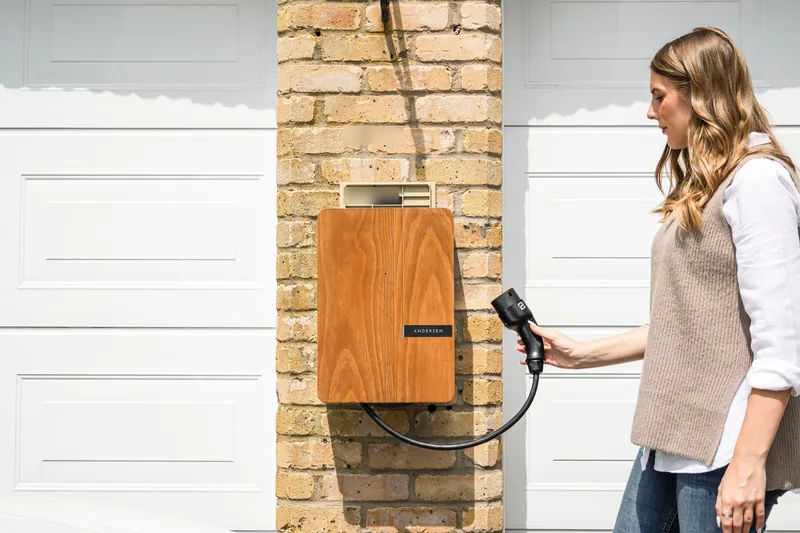
Charging an EV on a standard 120-volt outlet works — slowly. A Level 2 charger on a dedicated 240-volt circuit changes the equation: instead of trickling in a few miles of range per hour, you wake up to a full battery. For most EV owners, it's the single biggest quality-of-life upgrade after the car itself.
The installation is real electrical work, not an appliance plug-in. The charger needs a dedicated circuit sized for its amperage, the panel needs spare capacity and spaces, and the run from panel to charger has to be routed safely — through walls, attics, or underground conduit to a detached garage. Permits and inspection are part of the job.
VoltEdge Electric is a free referral service — we don't install chargers ourselves. Tell us about your panel and where you park, and we'll connect you with up to three independent local electricians. VoltEdge Electric connects you with an independent local electrician — you work directly with the electrician you choose.
- Typical first step
- Cut power to the affected area if it's safe to reach the breaker, then document what you see, smell, or hear.
- Emergency capable
- For active emergencies, call and we'll route you immediately.
Warning signs
Signs you need this service
- Your EV takes all night — and then some — to charge on a standard outlet.
- A new EV is arriving and you want home charging ready on day one.
- Your garage has no 240-volt outlet or dedicated circuit for charging.
- You're unsure whether your panel has capacity for a charger circuit.
- You want scheduled overnight charging instead of hunting public chargers.
What happens
The process, step by step
Panel and load assessment: the electrician checks your service size, spare capacity, and breaker spaces.
Charger and circuit planning: charger amperage, circuit size, and the route from panel to parking spot are set.
Installation: the dedicated circuit is run, the charger is mounted and wired, and permits are handled.
Commissioning: the charger is powered up, tested under load, and paired with the car's app if applicable.
Cost factors
What influences the cost
Every job is different, so we won't quote prices sight unseen. These are the factors a pro will weigh when pricing your job:
- Distance and routing difficulty between your panel and the charger location.
- Whether your panel has spare capacity or needs an upgrade first.
- Charger features — basic units versus smart chargers with load management.
- Trenching or long conduit runs to detached garages.
- Permits and inspections required by your local authority.
DIY guidance
What you can do — and when to stop
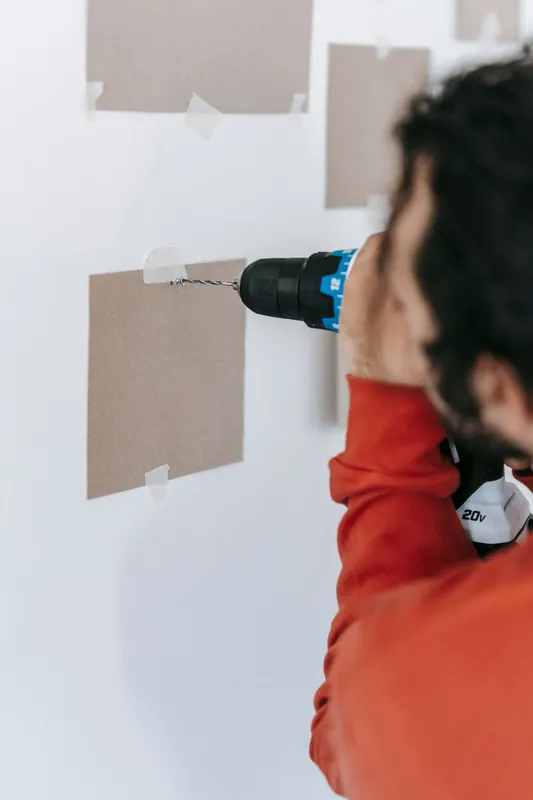
Safe to do yourself
- Decide where you park and where the charger would mount.
- Take a photo of your panel showing open breaker spaces.
- Note your daily driving distance — it determines how much charging speed you need.
- Clear the garage wall and the path from panel to charger before install day.
Stop and call a pro
- Wiring a 240-volt circuit yourself without the training and permits.
- Undersizing the circuit for the charger's amperage to save on wire.
- Skipping permits — unpermitted electrical work creates problems at resale and with insurance.
- Running a dryer outlet to the garage as a permanent charging solution.
Frequently asked questions
Serving towns nationwide
Related services

Helpful guides
Electrical problem? Don't wait on it.
Tell us what's happening and we'll connect you with an independent local electrician who fits the job.