Short answer
A whole-home surge protector guards your panel against external surges. It complements point-of-use protectors — a worthwhile layer of defense for most homes.
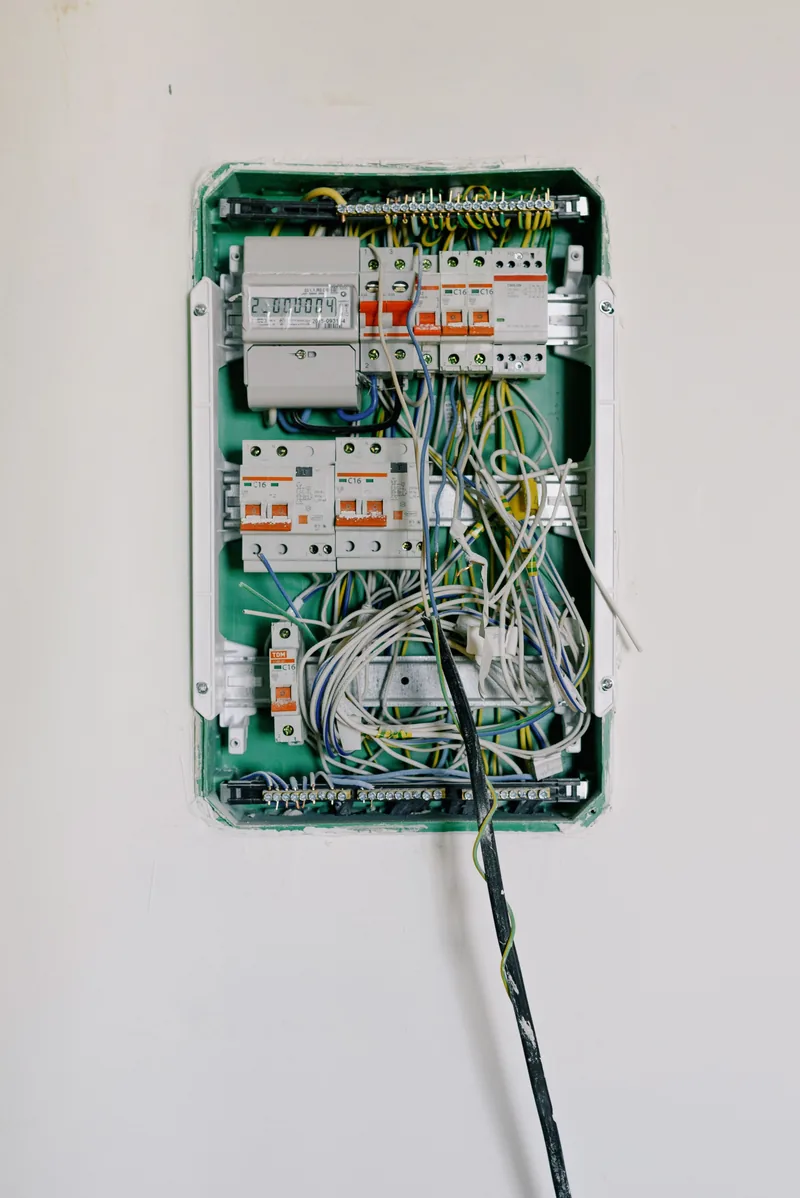
What a whole-home surge protector does
A whole-home (Type 1 or Type 2) surge protective device installs at your electrical panel and clamps down voltage spikes before they travel through your home's wiring. It is your first line of defense against external surges: lightning strikes nearby, utility switching, and grid disturbances.
It does not replace the power strips at your desk. Think of protection in layers: the panel device handles the big external events, while point-of-use protectors at sensitive electronics handle smaller residual surges and internal ones. The two work together, not instead of each other.
What it protects against — and what it does not
Whole-home protectors are effective against the surges that enter through your electrical service: nearby lightning, transformer events, and utility switching transients. They reduce the cumulative damage that degrades appliances and electronics over time, not just the dramatic single-event failures.
They do not protect against everything. A direct lightning strike to your home can overwhelm any protector. Surges can also enter through other paths — cable, phone, and network lines — which need their own protection. And no surge protector fixes underlying wiring problems, undersized panels, or bad grounding; the protector itself depends on a sound grounding system to work.
- Protects against: lightning-induced surges, grid switching, utility transients.
- Does not stop: a direct lightning strike to the house.
- Does not cover: surges entering via cable, phone, or network lines.
- Requires: a sound grounding system to function properly.
Signs your home is a good candidate
Consider one if your area sees frequent thunderstorms, if you have experienced unexplained appliance or electronics failures, if your home has a lot of sensitive electronics (home office, smart-home gear, appliance control boards), or if your panel and grounding are otherwise in good shape and you want to protect the investment.
Homes with older or questionable grounding get less benefit until the grounding itself is addressed — an electrician can verify your grounding electrode system as part of the conversation.
What an electrician does on installation
This is panel work, so it belongs to a licensed electrician. They select a device rated for your service, mount it at the panel (or meter), wire it with short, direct leads — lead length matters for performance — verify the grounding system it depends on, and confirm the panel has space and capacity for the installation.
They will also explain the indicator lights: surge protectors sacrifice internal components absorbing surges and eventually need replacement, and the status light tells you whether the device is still protecting. Ask what replacement looks like down the road.
The honest verdict
For most homes, a whole-home surge protector is a reasonable, one-time investment in protection — particularly in storm-prone areas or homes full of electronics. It is not magic, it does not make you lightning-proof, and it works best as part of layered protection with point-of-use devices.
What it should never be is a substitute for fixing real electrical problems. If your panel is outdated, your grounding is suspect, or your breakers are misbehaving, address those first — a surge protector on a compromised system is polishing the wrong thing. An honest electrician will tell you which problem deserves your money first.