Short answer
High electric bills usually come from big loads — heating, cooling, water heating — or a rate change. Check the bill first, then hunt down the energy hogs.
First, rule out the bill itself
Before hunting for energy hogs, check whether the bill actually reflects higher usage. Compare kilowatt-hours (kWh), not just dollars — a rate increase or the end of a promotional rate raises the bill with zero change in your habits. Also check for estimated readings: a month of under-estimated bills followed by a true-up can look like a sudden spike.
Compare the same month last year, not last month — seasonal swings in heating and cooling dwarf almost everything else. A bill that jumps while kWh stays flat is a pricing story; a bill where kWh jumped is a usage story.
The usual suspects: the big loads
In most homes, a short list of equipment dominates electricity use: electric heating and cooling, the electric water heater, the clothes dryer, and pool or hot-tub equipment. An electric water heater with a failing element or a thermostat stuck on, a heat pump running on expensive auxiliary heat, or a well pump cycling constantly can each add up fast.
Behavioral culprits matter too: space heaters are among the most expensive ways to heat anything, and running them for hours daily shows up dramatically. Old incandescent or halogen bulbs across the house, while individually small, add up — though lighting is rarely the main driver people assume it is.
- Electric heat running on auxiliary/emergency mode.
- Water heater with a failed element or stuck thermostat.
- Space heaters used as primary heat.
- Pool pumps, hot tubs, or well pumps running excessively.
- A rate change or estimated-reading true-up on the bill itself.
Vampire loads and sneaky waste
Standby power — devices drawing current while 'off' — is real but often overstated; the bigger sneaky waste is equipment running when it should not be. A water heater set far hotter than needed, an old second refrigerator in the garage running year-round, or a dehumidifier running nonstop in a damp basement are the classic silent budget-killers.
Smart plugs with energy monitoring can identify the worst offenders for the cost of a pizza. Measure the suspects rather than guessing — the results surprise most people.
What an electrician can check
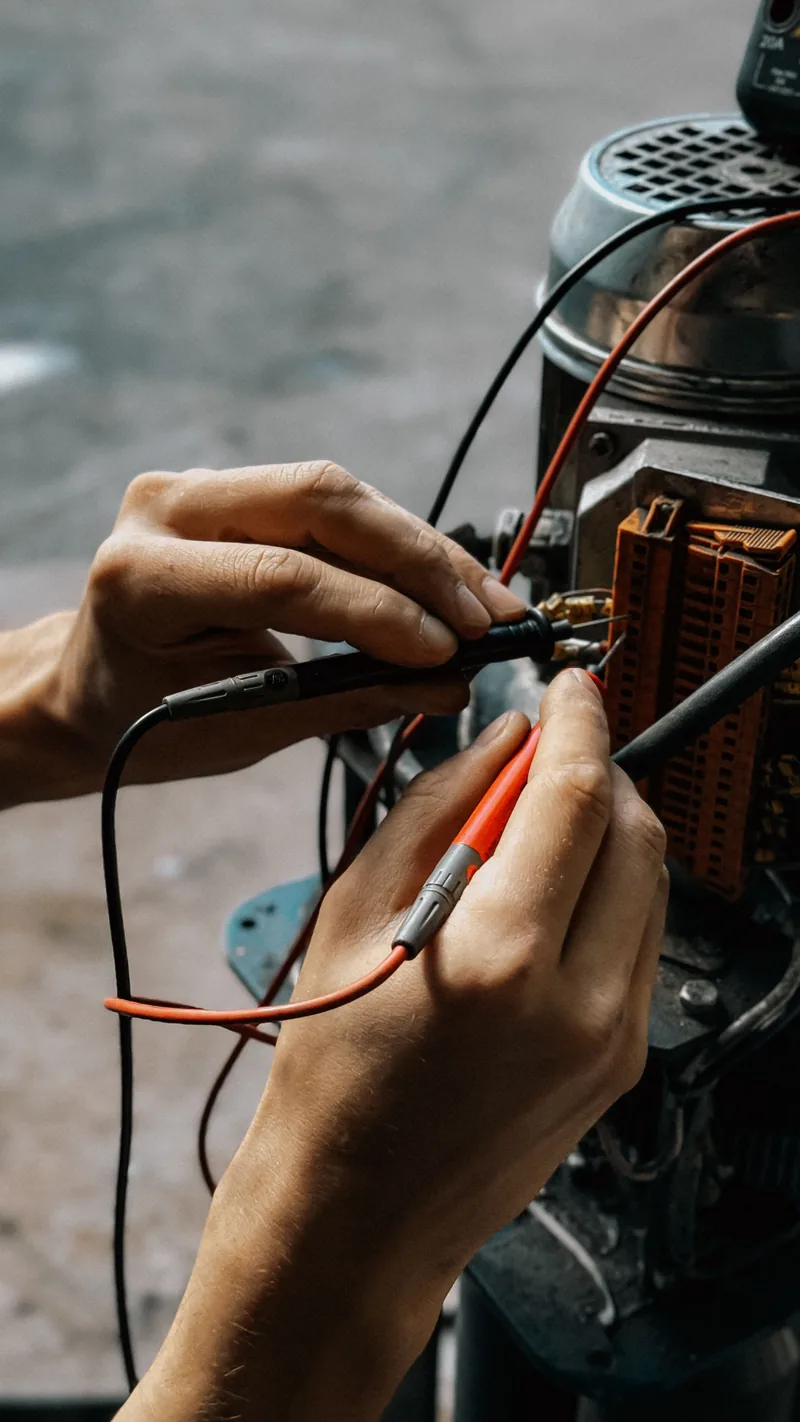
Some high-bill causes are electrical problems in disguise. A loose or corroded neutral connection can cause voltage irregularities that make equipment run inefficiently and can damage appliances — this one is also a safety issue. An electrician can check panel connections, verify voltage, and inspect for failing components drawing excess current.
They can also help with the structural fixes: dedicated circuits that let you move loads sensibly, panel capacity for efficient equipment upgrades, and proper wiring for any new high-efficiency appliance you install. If your bill spike came with flickering lights, warm outlets, or a burning smell, skip the energy audit and call an electrician promptly — those are fault symptoms, not efficiency problems.
Low-cost wins you can do this weekend
The weekend hit list: compare kWh across bills to confirm it is a usage problem; lower the water heater to a sensible temperature; retire or unplug the garage fridge; replace space-heater habits with better thermostat strategy; switch remaining incandescents to LEDs; and put entertainment centers on switched power strips.
If the bill stays stubbornly high after the basics — or if anything electrical seems off — that is the signal to have a licensed electrician evaluate the panel and circuits.